
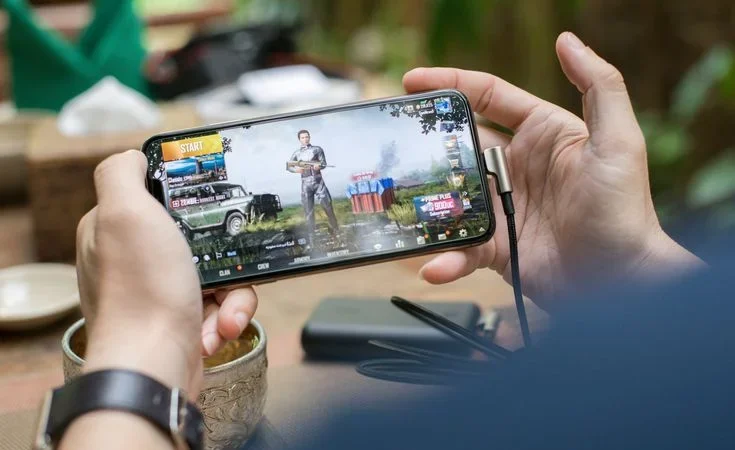
Best Gaming Phones 2026: If you want a phone that can handle serious gaming in 2026, don’t look only at the fastest chip or highest refresh-rate number. A good gaming phone needs sustained performance, strong cooling, a responsive display, reliable controls, and enough battery for long sessions. That is why dedicated phones such as the ASUS ROG Phone 9 Pro and REDMAGIC 11 Pro remain interesting, while the Samsung Galaxy S26 Ultra, OnePlus 15, and iPhone 17 Pro Max can also handle demanding games.
Dedicated gaming phones give you more gaming-focused hardware, while regular flagships usually balance gaming with cameras, software, and everyday use. This Techdova guide breaks down the difference.
Key Takeaways
• Sustained performance matters more than a short benchmark peak.
• Cooling helps a phone maintain performance during long sessions.
• A 120Hz or higher display is useful, but games must support higher frame rates.
• Gaming phones often add shoulder controls, gaming modes, and stronger cooling.
• Mainstream flagships can make more sense if you also care about cameras and everyday comfort.
What Makes a Phone Good for Gaming in 2026?
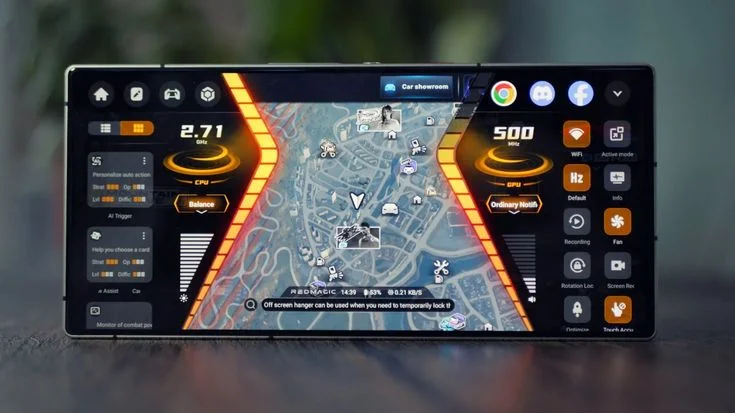
The processor is still the starting point. High-end chips such as Snapdragon 8 Elite Gen 5 are designed for demanding graphics and modern mobile games, with hardware-accelerated ray tracing and technologies that help manage GPU workloads. Qualcomm also supports Unreal Engine 5 features aimed at more advanced mobile graphics.
Raw power is only half the story. Gaming pushes a phone harder than normal scrolling. Heat can build up, and the phone may reduce performance to control temperatures. This is called thermal throttling.
That is why cooling matters almost as much as the chipset. Vapor chambers, graphite, fans, or liquid cooling can help maintain performance during longer sessions.
The same hardware can feel different depending on game optimization, temperature, settings, network conditions, and how long you play.
Which Gaming Phones Stand Out in 2026?
ASUS ROG Phone 9 Pro
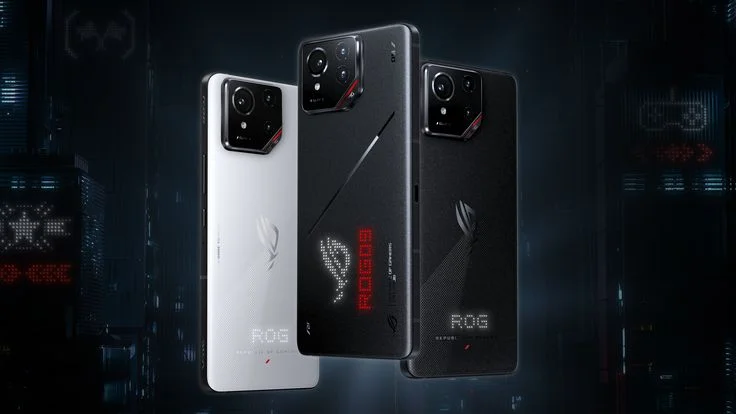
The ROG Phone 9 Pro is built around gaming rather than simply adding a gaming mode to a normal flagship. It uses the Snapdragon 8 Elite, has a 6.78-inch AMOLED display, and can reach up to 185Hz through Game Genie. ASUS also lists a 720Hz touch sampling rate, AirTrigger controls, a 5,800mAh-equivalent battery, and support for 65W wired charging.
AirTriggers can act like extra buttons, which helps in shooters where movement, aiming, and firing happen together.
At 227 grams, it is also heavier than many mainstream phones.
REDMAGIC 11 Pro
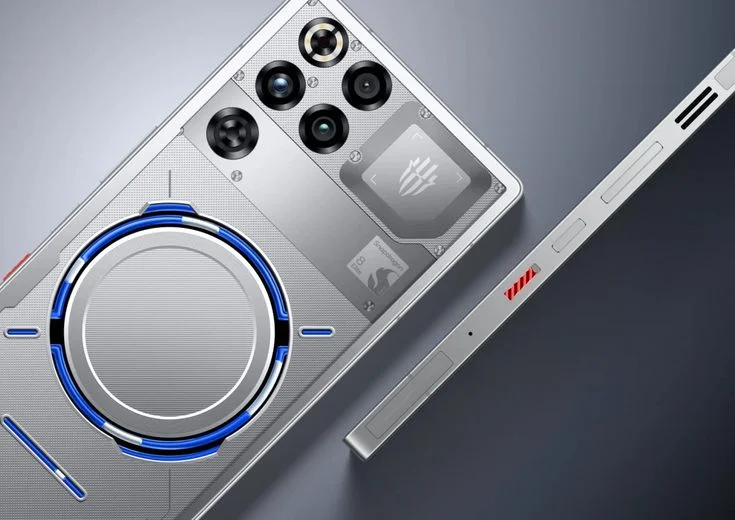
The REDMAGIC 11 Pro takes an aggressive approach to cooling. Its official specifications list the Snapdragon 8 Elite Gen 5, up to 24GB of RAM, a 6.85-inch AMOLED display with up to 144Hz refresh rate, and a 7,500mAh battery.
Its cooling system combines a vapor chamber, liquid-metal materials, heat-conductive layers, and a 24,000 RPM fan for sustained gaming.
Gaming-first phones can make compromises in cameras, software, ergonomics, or protection, so check the regional specification before buying.
Samsung Galaxy S26 Ultra
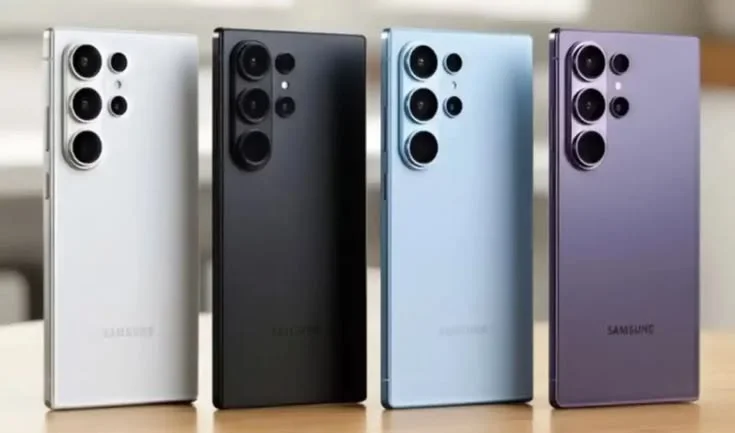
The Galaxy S26 Ultra shows why you do not necessarily need a dedicated gaming phone. Samsung lists the Snapdragon 8 Elite Gen 5 for Galaxy and a redesigned vapor chamber with a claimed 21% improvement in thermal performance. It also supports ray tracing in compatible games.
This works well if you want one phone for gaming, photography, productivity, and everyday use.
OnePlus 15
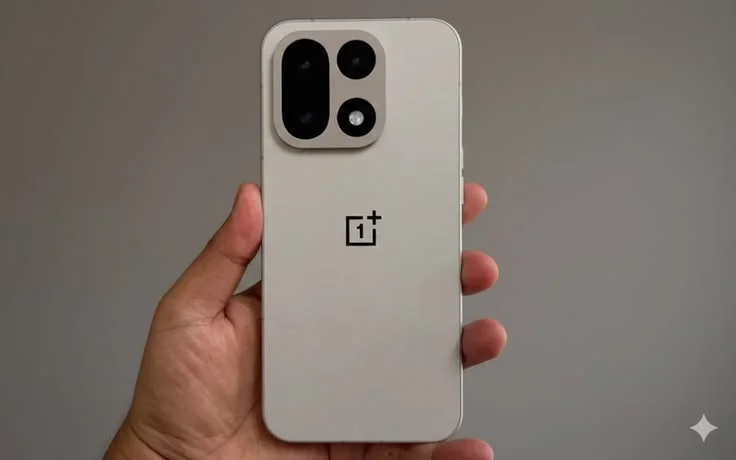
The OnePlus 15 is another mainstream phone with a strong gaming focus. Its specifications include the Snapdragon 8 Elite Gen 5, a 6.78-inch 1.5K display with up to 165Hz in gaming, and a 7,300mAh battery. OnePlus also uses OP Gaming Core and a dedicated touch-response chip.
A 165Hz panel does not mean every game will run at 165 frames per second. OnePlus itself says frame rates can vary by game, environment, and actual use, so game support still matters.
iPhone 17 Pro Max
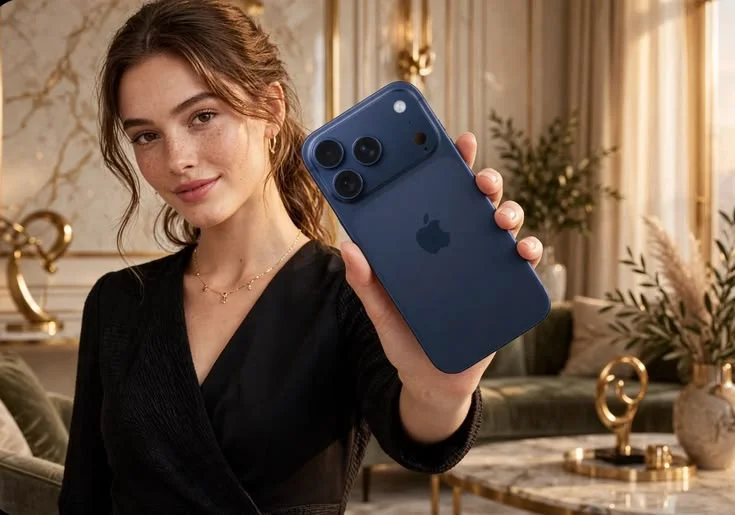
For iOS players, the iPhone 17 Pro Max is a strong gaming option. Apple uses the A19 Pro chip and a vapor chamber, and says the combination can deliver up to 40% better sustained performance than the previous generation. It supports hardware-accelerated ray tracing and AAA games, while its 6.9-inch ProMotion display can adapt up to 120Hz.
The main difference is ecosystem. iOS offers major mobile games and tightly integrated hardware and software, but there are no built-in shoulder controls like the ROG Phone.
Gaming Phone Comparison
| Phone | Gaming hardware | Display | Battery |
|---|---|---|---|
| ASUS ROG Phone 9 Pro | AirTriggers, gaming software | 6.78-inch AMOLED, up to 185Hz | 5,800mAh-equivalent |
| REDMAGIC 11 Pro | Fan, liquid cooling, triggers | 6.85-inch AMOLED, up to 144Hz | 7,500mAh |
| Galaxy S26 Ultra | Vapor chamber, ray tracing | Large AMOLED | Not its main gaming focus |
| OnePlus 15 | OP Gaming Core, touch chip | 6.78-inch 1.5K, up to 165Hz | 7,300mAh |
| iPhone 17 Pro Max | A19 Pro, vapor chamber | 6.9-inch OLED, up to 120Hz | Apple does not publish mAh |
How Much Does Refresh Rate Matter?
Refresh rate tells you how many times a display can update each second. A 120Hz screen can refresh 120 times per second, while a 165Hz screen can refresh 165 times.
Higher refresh rates can make movement and aiming feel smoother, especially in competitive games. But the game needs to support the higher frame rate, and the phone needs enough power to maintain it.
For most players, a good 120Hz display is already very smooth. Moving to 144Hz, 165Hz, or 185Hz makes more sense if you play titles that support those rates and care about competitive responsiveness.
Best Gaming Phones 2026: Why Does Cooling Matter So Much?
A benchmark is only a snapshot. A real gaming session can involve an hour of play, mobile data, charging, and high screen brightness.
That creates heat. A phone with excellent peak performance can still feel less consistent if it cannot control temperatures.
For long sessions, look for a serious thermal design. Dedicated cooling is most useful for people who play demanding games for hours.
Do You Need a Dedicated Gaming Phone?
Not necessarily. If gaming is your main priority, a dedicated model can give you useful extras such as shoulder triggers, cooling fans, gaming dashboards, bypass charging, and high touch response.
If gaming is only one part of your day, a mainstream flagship may make more sense. You may get better cameras, broader software features, water resistance, and a design that works comfortably outside gaming.
The better question is not “Which phone has the biggest gaming specs?” It is “How much of my phone use is actually gaming?”
What Should You Check Before Buying?
Start with the chipset, but do not stop there. Check the cooling system, display refresh rate, touch response, battery capacity, charging options, sustained performance, and the games you actually play.
Also check whether your favorite game supports 90Hz, 120Hz, 144Hz, or higher frame rates. Some games are limited by their own software, so buying a 165Hz phone will not automatically unlock higher FPS.
Also consider software updates, cameras, speakers, weight, network support, and warranty availability. A gaming phone still has to work well when you are not playing.
Source Note
This article uses current manufacturer specifications and technology reporting available in September 2026. Claims about battery endurance, thermal improvements, and supported frame rates can vary by test method, game, settings, software version, and region. Manufacturer claims are identified as claims rather than independent measurements.
Techdova does not treat a specification sheet as proof that one phone will feel better for every player. The practical differences discussed here are based on the hardware manufacturers provide and how these phones are designed for sustained workloads.
FAQs
Is 120Hz enough for mobile gaming?
Yes. For most players, 120Hz is already very smooth. Higher refresh rates are mainly useful when the game supports them and you want extra responsiveness.
Are gaming phones better than normal flagship phones?
They can offer more gaming-focused features and stronger sustained performance. Normal flagships can be more balanced for cameras, software, design, and everyday use.
Does more RAM improve gaming?
More RAM can help with multitasking and keeping apps in memory, but it does not automatically make games faster. The processor, GPU, cooling, and game optimization matter too.
Is active cooling worth it?
For long and demanding sessions, it can help manage heat and sustain performance. For casual gaming, built-in passive cooling may be enough.
Can a flagship phone replace a gaming phone?
Yes. Phones such as the Galaxy S26 Ultra, OnePlus 15, and iPhone 17 Pro Max can handle demanding games while also working well as everyday phones.
Disclaimer:
Specifications, game support, battery life, prices, and availability can change by region and software version. Check the manufacturer’s official specifications and local availability before buying.