
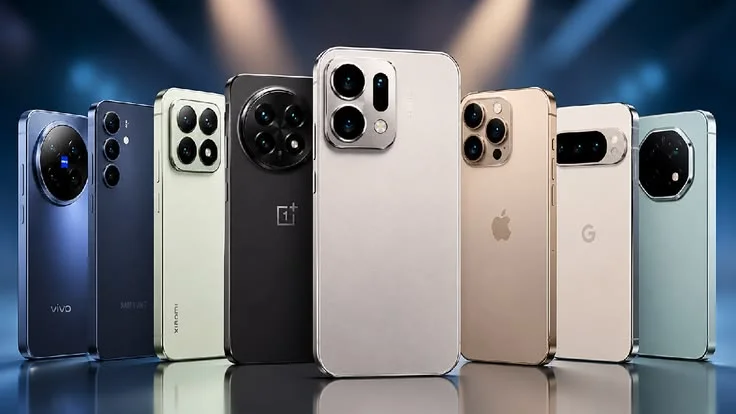
Best Camera Phones 2026: If your phone is the camera you carry everywhere, 2026 is a good year to upgrade. The best camera phones now combine useful zoom, stabilization, image processing, and strong video tools instead of relying on megapixel numbers alone.
Techdova checked current flagship hardware, official specifications, and recent testing of these three phones.
Key Takeaways
- The iPhone 18 Pro Max adds variable aperture and deeper manual camera controls, with a strong focus on video.
- The Galaxy S26 Ultra offers a versatile setup with 200MP main resolution and dedicated telephoto cameras.
- The Pixel 11 Pro XL combines a triple-camera system with Google’s computational photography and AI tools.
- Megapixels alone do not tell you how good a phone camera will be.
- Sensor size, aperture, optical zoom, stabilization, processing, and video features all deserve attention.
- The best camera phone for you depends on how you actually shoot.
What are the best camera phones in 2026?
The strongest camera phones in 2026 include the Apple iPhone 18 Pro Max, Samsung Galaxy S26 Ultra, and Google Pixel 11 Pro XL. The iPhone focuses on photo and video control, Samsung on zoom flexibility, and Pixel on computational photography and AI tools.
That difference matters because a camera phone is a complete system. It needs to handle daylight, movement, night scenes, zoom, selfies, and video well.
| Phone | Camera strengths | Best suited to |
|---|---|---|
| iPhone 18 Pro Max | Variable aperture, Pro controls, strong video | Creators and video |
| Galaxy S26 Ultra | 200MP main camera, multiple zoom options | Zoom and versatility |
| Pixel 11 Pro XL | Computational photography, 5x telephoto, AI tools | Easy everyday photos |
Apple iPhone 18 Pro Max: a serious camera upgrade
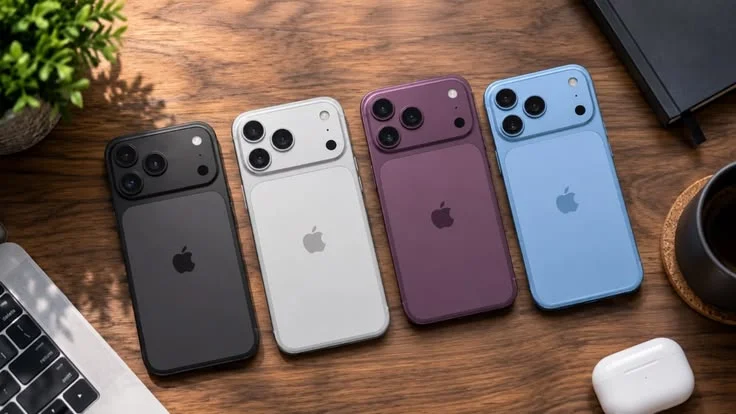
Apple’s iPhone 18 Pro Max brings a new 48MP Fusion Main camera with variable aperture. In simple terms, the lens can change how much light enters and how much of the scene stays in focus. Apple says it can automatically adjust for lighting and depth of field, while users can also choose manual aperture settings.
That gives the iPhone more direct control without needing a separate camera app. The Camera app also adds Pro controls for settings such as aperture, shutter speed, and white balance. For video, Apple says Cinematic effects can be applied after recording to supported video captured at up to 60 frames per second.
These controls matter most if you actually want to adjust your shots.
Samsung Galaxy S26 Ultra: built for zoom and flexibility
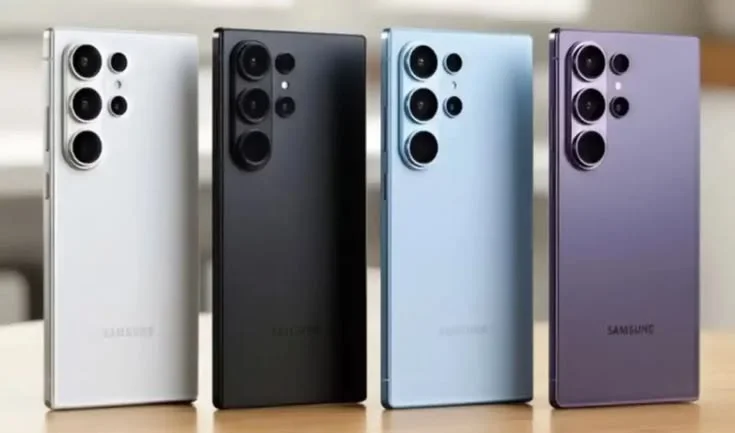
Samsung takes a different route with the Galaxy S26 Ultra. Its rear system includes a 200MP wide camera, 50MP ultra-wide camera, 50MP telephoto with 5x optical zoom, and 10MP telephoto with 3x optical zoom.
This setup is useful when your subject is far away. You can move from regular photos to wide landscapes and dedicated telephoto cameras instead of relying on digital cropping.
Samsung also uses a wider f/1.4 aperture on the main camera and f/2.9 on the 5x telephoto. Wider apertures can let more light reach the sensor, which can help in darker scenes. Samsung says its Nightography processing is designed to reduce noise and preserve detail in low-light photos and video.
The phone can reach up to 100x zoom with hardware and AI-assisted processing, but that number needs context. Extremely high digital or AI-assisted zoom isn’t the same as optical zoom. If clean detail matters, the dedicated 3x and 5x ranges are more meaningful.
Google Pixel 11 Pro XL: smart processing does the heavy lifting

Google’s Pixel 11 Pro XL takes a computational photography approach. The rear setup has a 50MP wide camera, 48MP ultra-wide camera with Macro Focus, and 48MP 5x telephoto camera. Google also lists Pro Zoom up to 120x.
The interesting part comes after you press the shutter. Google’s software processes exposure, detail, faces, and difficult lighting. Night Sight, Face Unblur, Best Take, and Magic Eraser handle common problems without complicated settings.
Camera Coach and other AI tools also suit people who want better results without learning many manual controls.
Still, software can’t replace good lighting, stable framing, or a real optical lens, and heavy processing may not suit every photographer.
What should you look for in a camera phone?
Megapixels are only one part of the story. A 200MP camera sounds impressive, but a good phone camera depends on the sensor, lens, stabilization, processing, and how those parts work together.
Sensor size and aperture
A larger sensor can collect more light, which can help with detail and noise, especially in darker scenes. Aperture describes how wide the lens opens. A wider aperture generally allows more light in.
Better hardware gives the phone more useful image information to process.
Optical zoom
If you photograph concerts, sports, pets, buildings, or distant subjects, pay attention to the actual telephoto cameras. Optical zoom uses the lens to magnify the scene before capture, while digital zoom enlarges or processes the image after capture.
A 100x or 120x claim may look impressive, but don’t judge quality from maximum zoom alone.
Stabilization and video
Good stabilization helps reduce camera shake when your hands move. It becomes even more useful at night or when using telephoto lenses.
Video also depends on frame rate, stabilization, autofocus, dynamic range, and audio. For creators, these can matter more than still-photo resolution.
Which camera phone is right for different users?
There isn’t one camera phone that fits everyone. Your shooting habits should decide what you prioritize.
For video creators: The iPhone 18 Pro Max is worth a close look because of its advanced video features and Pro controls.
For zoom and travel: The Galaxy S26 Ultra offers a broad camera system with dedicated telephoto options and strong reach.
For easy everyday photography: The Pixel 11 Pro XL is attractive if you prefer computational photography and automated tools.
For manual control: The iPhone 18 Pro Max adds direct Camera app controls, while Samsung also offers extensive shooting and editing tools.
Why does camera software matter so much?
Modern phone photography is partly photography and partly computing. The phone can merge multiple exposures, identify faces, reduce noise, sharpen details, and adjust color in a fraction of a second.
This is why phones with similar specifications can produce different photos. The final image depends heavily on the software pipeline.
A useful comparison should look at daylight, skin tones, movement, night shots, ultra-wide, telephoto, selfies, and video, not just megapixels.
How does Techdova compare camera phones?
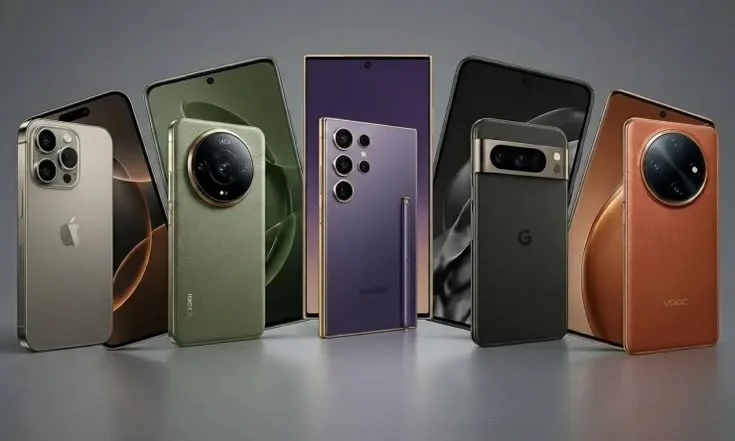
Techdova’s approach is to look beyond the biggest specification on the box. Official manufacturer specifications help confirm hardware and supported features, while independent testing helps show how those features behave in real use.
Recent 2026 comparisons from established publications also place the latest Apple, Samsung, and Google flagships among the leading camera phones, although testing methods differ.
Choose based on what you shoot most. If you rarely use zoom, extreme zoom may not matter. If video is your priority, look beyond still-camera resolution.
Source Note
This article uses current 2026 manufacturer specifications and independent technology testing. Hardware details were checked against Apple, Samsung, and Google sources. Techdova separates manufacturer claims from independent testing, while noting that results vary with lighting, updates, and shooting conditions.
Frequently Asked Questions
Which phone has the best camera in 2026?
There isn’t one universal answer because camera performance depends on what you shoot. The iPhone 18 Pro Max, Galaxy S26 Ultra, and Pixel 11 Pro XL are all serious flagship options, with different strengths in video, zoom, computational photography, and manual control.
Is a 200MP phone camera automatically better?
No. Megapixels describe resolution, not the whole camera system. Sensor size, lens quality, stabilization, and processing also affect the final photo.
Is 100x or 120x zoom actually useful?
It can frame distant subjects, but maximum zoom isn’t the same as optical quality. Dedicated telephoto lenses usually provide better detail at their supported ranges.
Which camera phone is best for video?
The iPhone 18 Pro Max is a strong option for video and manual control. Galaxy S26 Ultra and Pixel 11 Pro XL also offer advanced video features.
Are Pixel phones good for low-light photography?
Yes. Pixel phones use Night Sight and computational photography for difficult lighting. The Pixel 11 Pro XL also has a 50MP main camera and 48MP telephoto.
Do I need a flagship phone for great photos?
Not necessarily. Flagships offer more cameras and advanced processing, but mid-range phones can still take good everyday photos. Compare the camera system rather than price alone.
Disclaimer
Camera performance, features, prices, and software capabilities can change with updates, regional versions, and new releases. Always check the manufacturer’s current specifications and local pricing before buying.